Summer traffic in Myrtle Beach increases the risk of serious vehicle collisions, often leaving injured people with unexpected medical bills and financial stress during recovery. McCutchen Vaught Geddie & Hucks, P.A. helps injured individuals understand how South Carolina fault rules, insurance coverage, and liability laws determine who is responsible for paying medical expenses after a crash. While multiple insurance sources may apply, including health insurance, auto liability coverage, and uninsured motorist protection, the final responsibility often depends on proving fault and navigating insurance claims correctly. Understanding how these systems interact can make a meaningful difference in how medical costs are handled after a collision.
McCutchen Vaught Geddie & Hucks, P.A. regularly assists clients in Myrtle Beach with accident-related injury claims, helping ensure medical expenses are properly documented and pursued through all available insurance coverage under South Carolina law.




Why Summer Traffic in Myrtle Beach Creates Higher Accident Risk 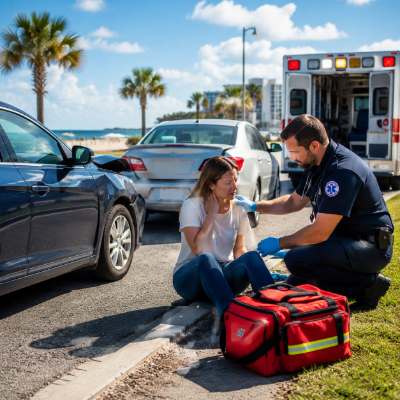
Myrtle Beach experiences a significant surge in traffic during the summer months due to tourism, seasonal events, and increased rental vehicle use. This surge places added pressure on roadways such as Highway 17, Highway 501, and surrounding coastal routes where congestion is frequent and driving conditions change rapidly throughout the day. Many drivers are unfamiliar with the area, which leads to sudden braking, missed turns, and unpredictable lane changes that increase collision risk.
These conditions often create a pattern of preventable accidents involving rear-end collisions, intersection impacts, and multi-vehicle crashes in congested corridors. The combination of heavy traffic volume and distracted driving behaviors means that even minor misjudgments can result in serious injuries requiring emergency care, follow-up treatment, and long-term medical attention. When these injuries occur, the question of who pays the resulting medical bills becomes urgent almost immediately.
Understanding Fault in South Carolina Traffic Accidents
South Carolina follows a fault-based system for vehicle collisions, meaning the driver responsible for causing the crash is legally responsible for resulting damages. These damages often include medical expenses, lost wages, property damage, and pain and suffering. However, fault is not always immediately clear after a crash, and insurance companies typically conduct their own investigations before accepting liability.
Until fault is established, injured individuals may need to rely on their own insurance coverage or health insurance to cover initial treatment costs. This creates a gap between receiving medical care and receiving financial compensation. Establishing fault requires evidence such as police reports, witness statements, vehicle damage analysis, and sometimes accident reconstruction. Without this process, insurance carriers may delay or dispute payment responsibilities, leaving injured people to manage bills in the meantime.




Who May Pay Medical Bills After a Myrtle Beach Accident
Medical bills after a traffic collision can be paid from several different sources depending on the circumstances of the crash and the insurance coverage involved. In many cases, more than one policy may apply, and understanding how these layers work is essential to managing financial recovery.
Health insurance is often the first line of coverage, paying for emergency treatment, hospital visits, and ongoing medical care. However, health insurers may place liens on any future settlement to recover the amounts they paid. Auto insurance policies may also include Medical Payments coverage, which can help pay immediate expenses regardless of fault. This coverage is optional in South Carolina but can provide valuable financial relief during the early stages of recovery.
The at-fault driver’s liability insurance is ultimately responsible for covering medical expenses once fault is established. This coverage is typically used to reimburse victims for treatment costs and other damages. If the at-fault driver does not have sufficient insurance, uninsured or underinsured motorist coverage from the injured person’s own policy may apply. This combination of coverage types creates a layered system that requires careful coordination to ensure all available benefits are used effectively.
Rental Cars, Tourists, and Complex Insurance Situations
During the summer season, many accidents in Myrtle Beach involve rental vehicles driven by out-of-state visitors. These cases often introduce additional insurance layers that can complicate the claims process. Rental agreements may include optional insurance coverage, and some drivers rely on personal auto insurance policies from their home states or credit card-based rental protection benefits.
When multiple insurance policies overlap, disputes may arise between carriers over which policy is primary and which is secondary. This can delay payment of medical expenses and extend the time it takes to resolve claims. Determining coverage responsibility in these situations often requires careful review of policy language and coordination between insurers to avoid gaps in payment.
During this most difficult period of time in my life, Margaret Evans and the staff assisted me during my divorce. I needed legal counsel which was provided professionally and efficiently. Thank you for your prompt and courtesy service to me. Made the home closing process quick and easy! We appreciated their quick and clear communications, especially since our closing was over the holidays. See what our clients have to say about our law firm and the people who are a part of it.
- Mark Hafenbreidel
- Alyssa Burke
Client Reviews
How Medical Providers Handle Accident-Related Treatment
Medical providers in Myrtle Beach typically do not wait for insurance disputes to be resolved before billing for services. Instead, hospitals and treatment providers bill health insurance first when available, then place remaining balances on hold or assign them to medical liens pending resolution of the injury claim. This means injured individuals may not face immediate out-of-pocket payments in every case, but outstanding balances may still exist until the claim is resolved.
This system allows patients to receive necessary care without delay, but it also creates financial uncertainty. Bills may accumulate while the claim is being evaluated, and final responsibility is only determined once settlement negotiations or litigation concludes. This delay is one of the primary reasons accident cases require careful documentation of injuries and treatment timelines.
The Importance of Documentation After a Crash
Proper documentation plays a critical role in determining how medical expenses are paid after a collision. Medical records, diagnostic reports, and treatment histories establish a direct link between the crash and the injuries sustained. Without clear documentation, insurance companies may dispute whether treatment was necessary or related to the accident.
In addition to medical records, accident reports and photographic evidence of the scene can strengthen a claim. Consistent medical treatment is also important, as gaps in care may be used by insurers to argue that injuries were not severe or were caused by something unrelated to the collision. Maintaining a clear and continuous record of treatment helps support the full value of medical expenses during settlement discussions.
Insurance Company Evaluation of Medical Claims
Insurance carriers evaluate medical claims based on several factors, including necessity of treatment, reasonableness of charges, and connection to the crash. They may also review policy limits and prior medical history when assessing claims. Even when liability is clear, insurers often scrutinize billing details closely before approving payment.
This review process can lead to delays, partial payment offers, or disputes over specific treatments. Understanding these practices is important for anyone navigating a claim after a Myrtle Beach traffic accident. Properly presenting medical evidence and accident documentation helps ensure that valid expenses are recognized and included in compensation calculations.
How Legal Support Helps with Medical Bill Recovery
Navigating medical bills after a crash can be overwhelming, especially when multiple insurance policies and liability questions are involved. Legal support helps organize evidence, communicate with insurance carriers, and ensure that all available coverage is identified and pursued. This includes reviewing health insurance liens, negotiating with auto insurers, and addressing disputes over fault or coverage limits.
McCutchen Vaught Geddie & Hucks, P.A. assists injured individuals in Myrtle Beach by managing these complex issues and working to ensure that medical expenses are properly addressed within the broader injury claim. This support allows injured individuals to focus on recovery while their financial and legal matters are handled with attention to detail.
Relevant resources for understanding related legal issues include:
https://lawyersatthebeach.com/blog/understanding-your-rights-after-a-car-accident-in-south-carolina/
https://lawyersatthebeach.com/blog/step-by-step-guide-to-filing-a-car-accident-claim-in-south-carolina/
https://lawyersatthebeach.com/blog/10-things-to-know-about-car-accident-laws-in-south-carolina/
https://lawyersatthebeach.com/blog/how-to-handle-insurance-companies-after-a-bus-accident/
Summer traffic accidents in Myrtle Beach often create immediate and unexpected medical expenses that require careful coordination between multiple insurance policies and liability rules. Responsibility for payment depends on fault determination, coverage availability, and the outcome of insurance claims. Understanding how these systems interact is essential for protecting financial stability after a collision and ensuring that medical care is fully accounted for during recovery.
This content is for informational purposes only and is not legal advice. Consult an attorney about your specific situation.