Black Friday has become an American tradition, with millions of people flocking to malls and shopping centers to take advantage of the massive deals and discounts. One of the busiest spots for this shopping frenzy in Myrtle Beach is the Coastal Grand Mall. However, with the surge of shoppers comes the inevitable risks and accidents—especially in crowded parking lots. Parking lot crashes are unfortunately common during busy shopping seasons, and many drivers are left wondering who will be responsible for medical bills and car repairs after such an incident. Understanding the answers to these questions is crucial to avoiding unnecessary stress and financial strain after a collision.
In this blog post, we’ll dive deep into the specifics of parking lot accidents, liability issues, medical bills, and car repairs following a Black Friday crash at Coastal Grand Mall. We’ll cover common scenarios, what your insurance covers, and how you can protect yourself in case of an accident.
Liability in Parking Lot Crashes 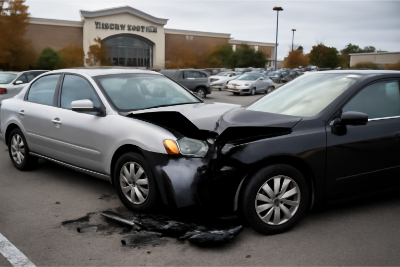
Parking lot accidents often present a unique set of challenges, especially when determining who is at fault. These accidents can occur at low speeds and often involve complex circumstances, such as multiple drivers reversing into each other or pedestrians suddenly stepping into the path of vehicles. However, just like in any other vehicle accident, the concept of negligence is the key factor that determines who is responsible for damages.
Understanding Negligence
Negligence is the failure to exercise reasonable care to avoid accidents. In the case of parking lot accidents, negligence may involve a driver failing to yield, not paying attention while driving, or failing to follow basic traffic rules. For example:
- Failure to yield the right of way: If you’re driving and fail to yield to another driver or pedestrian, causing a crash, you may be found negligent.
- Reversing without looking: A driver backing out of a parking spot without checking for other vehicles or pedestrians can be deemed negligent if they hit someone or another car.
- Distracted driving: Using a phone while driving, even in a parking lot, is a form of distracted driving and can result in liability if an accident occurs.
In parking lots, the rules of the road are still applicable, even though traffic may be slower and less regulated. Drivers must adhere to speed limits, yield when required, and watch for pedestrians. If an accident occurs and the other driver is found to have violated these basic principles, they can be held accountable for the damages.
Determining Who is at Fault
In the case of parking lot accidents, determining who is at fault can sometimes be more complicated than in regular traffic accidents. This is because accidents in parking lots are often low-speed crashes, and there may not always be clear evidence of who caused the collision. A few common factors that help determine liability include:
- Witness statements: Eyewitnesses who saw the accident can play a crucial role in helping determine the cause and who was responsible. If other drivers or pedestrians witnessed the incident, their statements may provide key evidence.
- Traffic laws: If a driver violated any traffic laws or safety rules while in the parking lot, such as running a stop sign or failing to yield to pedestrians, they are likely to be considered at fault.
- Security camera footage: Many malls, including Coastal Grand Mall, have security cameras throughout the property. These recordings can provide valuable evidence in the case of an accident, offering a clear view of who was at fault.
If you are involved in a parking lot accident at Coastal Grand Mall, it’s important to gather as much evidence as possible, including witness statements, photos, and security footage. This will help establish fault and determine who will be held liable for the damages.
Medical Bills: Who Pays for the Injuries?
Medical bills resulting from parking lot accidents can be substantial, especially if the injuries are severe. The next question many accident victims have is who will pay for their medical treatment. The answer depends largely on the circumstances of the crash and the type of insurance coverage involved.
If the Other Driver is At Fault
If the other driver is found to be at fault for the accident, their auto insurance should cover the medical bills for any injuries you sustain. This includes situations where the driver’s negligence directly leads to the accident, such as speeding, running stop signs, or texting while driving. The at-fault driver’s liability insurance will typically pay for:
- Emergency room visits
- Surgery or medical procedures
- Prescription medications
- Physical therapy
In many cases, however, the at-fault driver may not have sufficient insurance to cover the full extent of your medical bills. This is where your own health insurance may come into play.
If You Are Injured and the At-Fault Driver is Uninsured or Underinsured
In some cases, the at-fault driver may not have insurance or may only have minimal coverage that doesn’t fully cover your medical costs. In these situations, you may need to rely on your own insurance policy to cover the medical expenses. If you carry uninsured/underinsured motorist coverage, this will provide compensation for your medical bills when the other driver lacks adequate insurance.
If you do not have uninsured motorist coverage, your health insurance will likely be the next option to cover medical expenses. However, health insurance may have deductibles, co-pays, or other out-of-pocket costs that can add up.
Personal Injury Protection (PIP) Coverage
Another important coverage to consider is Personal Injury Protection (PIP). PIP is a type of no-fault insurance that covers medical expenses and lost wages regardless of who is at fault for the accident. If you have PIP coverage, it will cover your medical bills up to the policy limits, no matter who caused the crash.
Car Repairs: Who Pays for Vehicle Damage?
Car repairs resulting from parking lot accidents can range from minor scratches to severe damage, and determining who will cover these costs depends on several factors.
If the Other Driver is At Fault
If the other driver is found to be at fault for the crash, their liability insurance will typically cover the damage to your vehicle. In cases where the driver’s insurance doesn’t cover the full cost of repairs, your own collision coverage may be used to cover the remaining amount. It’s important to note that your collision insurance will cover repairs regardless of who is at fault.
If the Other Driver is Uninsured or Underinsured
If the at-fault driver does not have insurance or has insufficient insurance, you may need to file a claim under your own collision coverage. However, this may result in higher out-of-pocket costs due to your deductible. In cases where you don’t have collision insurance, you may be left to pay for repairs yourself.
Comprehensive Coverage
If your vehicle is damaged by something other than a collision—such as a shopping cart or debris—comprehensive coverage will help pay for repairs. Comprehensive coverage is not limited to accidents but also includes non-collision events that cause damage to your car.
Steps to Take After a Parking Lot Accident
If you’re involved in a parking lot accident at Coastal Grand Mall, taking the following steps can help protect your rights and ensure that your medical bills and car repairs are covered:
- Ensure Safety: Move your vehicle to a safe location if possible, and check for injuries.
- Call the Police: Even in minor accidents, it’s important to call the police to document the incident and obtain an official report.
- Gather Information: Collect the names, contact details, and insurance information of the other driver(s) involved in the accident. Take note of the make, model, and license plate numbers of all vehicles involved.
- Take Photos: Capture images of the accident scene, vehicle damage, and any visible injuries. Photos will serve as important evidence.
- Report the Accident to Your Insurance: Notify your insurance company of the incident as soon as possible. Be sure to provide them with all the information you have collected.
- Seek Medical Attention: Even if you don’t feel injured right away, it’s a good idea to see a doctor. Some injuries, such as whiplash or concussions, may not show symptoms immediately but can cause long-term damage.
Parking lot accidents, especially during busy shopping times like Black Friday, are unfortunate but common occurrences. Knowing who is responsible for medical bills and car repairs after such an incident can help ease the burden and ensure that you’re properly compensated. If you’re involved in a parking lot crash at Coastal Grand Mall, understanding your rights and having the right insurance coverage is crucial. At McCutchen Vaught Geddie & Hucks, P.A., we specialize in personal injury cases and are here to help guide you through the process of filing claims and getting the compensation you deserve.
To learn more about this subject click here: How Fault is Determined in South Carolina Car Accident Cases