




Winter Motorcycle Accidents: Unique Dangers Riders Face in Myrtle Beach

Riding a motorcycle is exhilarating, but during the winter months, it introduces a set of unique challenges that can make even the most experienced riders vulnerable. For residents and visitors of Myrtle Beach, South Carolina, this means facing a combination of unpredictable weather conditions, reduced visibility, and slick roads. McCutchen Vaught Geddie & Hucks understands the dangers motorcyclists face in these months, especially when winter conditions lead to accidents and severe injuries. In this discussion, we will explore the different risks winter brings for motorcyclists, provide safety tips, and explain what to do if you find yourself involved in a winter motorcycle crash.

Understanding the Risks of Winter Riding in Myrtle Beach Winter Motorcycle Accidents Unique Dangers Riders Face in Myrtle Beach
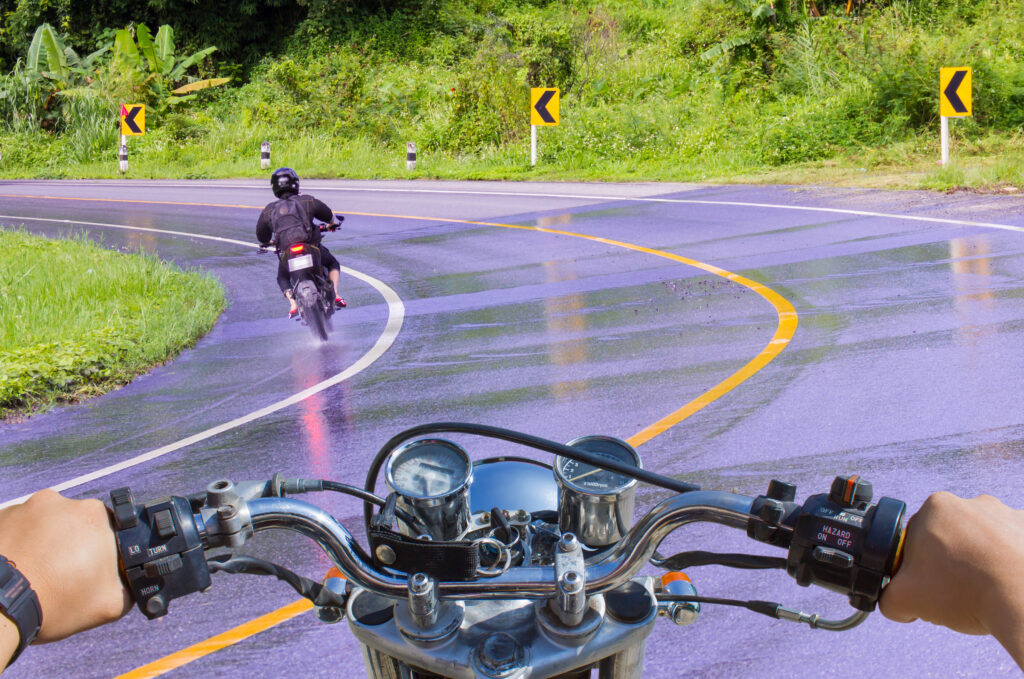
While Myrtle Beach is known for its sunny, temperate climate, winter brings with it some less-than-ideal conditions for motorcyclists. Cold weather, shorter days, and the occasional frost create a mix of hazards that can catch even the most seasoned riders off guard.

Reduced Visibility and Shorter Days

As winter settles in, daylight hours shrink, making early morning and evening rides riskier. Motorcycle riders often find themselves on the road during times of reduced visibility, either at dawn or dusk, when the sun is low or has already set. These conditions can make it much harder for both riders and drivers to see each other. Fog is another common weather phenomenon in the winter months, further diminishing visibility. Riders are often harder to spot by other drivers, and likewise, motorcyclists may struggle to see potential hazards like debris, potholes, or icy patches on the road.

Cold Weather and its Impact on Motorcycle Handling

The cold temperatures that accompany winter in Myrtle Beach may seem manageable at first, but they can have a profound impact on your bike’s performance. The lower the temperature, the more likely it is for tire pressure to drop, and tires with inadequate pressure reduce traction. When tires lack proper grip, braking distances increase, and handling can become unpredictable. This can be particularly dangerous on wet or uneven road surfaces, increasing the risk of losing control of the motorcycle. Riders may not realize that their motorcycle is less responsive during these cold months until it’s too late.



Icy Roads and the Risk of Sliding

Although snow is rare in Myrtle Beach, other road hazards associated with cold weather can still pose significant risks. Early mornings or shaded areas can cause frost to form on the road, creating invisible patches of ice. Motorcycles are particularly vulnerable to sliding on icy surfaces, as they have a much smaller contact area with the ground than cars, making it harder to maintain stability on slippery roads. Even a thin layer of ice can cause a motorcyclist to lose control, leading to serious accidents. Riders should be particularly cautious when crossing bridges or roads in shaded areas, as these are more prone to freezing conditions.

Sand and Salt on the Road

Another winter-specific risk for Myrtle Beach motorcyclists is the use of sand and salt to treat the roads. While it helps prevent icing, these materials can create dangerous riding conditions. The sand can build up on the road and reduce tire traction, while salt can eat away at the bike’s metal components. In combination with wet weather, these elements make it even harder for riders to maintain control. It’s essential for motorcyclists to be extra vigilant about road conditions, as they can vary drastically depending on the weather.

Rider Fatigue and Cold Weather Effects

Riding in cold temperatures requires more energy and focus than riding in mild weather. Cold air can make your body work harder to maintain warmth, leading to quicker fatigue. Riders may not even realize that they are becoming fatigued until their reaction times slow or their attention span shortens. Fatigue is especially dangerous when combined with other factors like low visibility or icy roads.

During this most difficult period of time in my life, Margaret Evans and the staff assisted me during my divorce. I needed legal counsel which was provided professionally and efficiently. Thank you for your prompt and courtesy service to me.

- Mark Hafenbreidel

Made the home closing process quick and easy! We appreciated their quick and clear communications, especially since our closing was over the holidays.

- Alyssa Burke

Client Reviews

See what our clients have to say about our law firm and the people who are a part of it.

Read more reviews

Hypothermia Risk for Long-Distance Riders

Riding for long distances in cold weather presents a significant risk of hypothermia. This dangerous condition occurs when your body temperature drops below normal levels, causing confusion, shivering, and even loss of consciousness. Hypothermia can set in more quickly than riders expect, especially if they are not properly dressed in multiple layers or insulated gear. This makes it harder to focus and respond to unexpected dangers on the road. To prevent this, always wear thermal layers, gloves, and insulated jackets designed for winter riding.

Practical Safety Tips for Winter Motorcyclists in Myrtle Beach

Winter may introduce unique challenges, but that doesn’t mean it’s impossible to safely ride in Myrtle Beach during the colder months. The key to riding safely in these conditions lies in preparation, awareness, and proper safety gear.

1. Dress for Warmth and Protection

The importance of wearing the right gear cannot be overstated. Proper winter gear, such as thermal gloves, insulated jackets, and heated vests, can keep you warm and protect you from the elements. Remember, cold temperatures can impair your ability to react to changes in traffic and road conditions, so warmth is crucial for maintaining focus. Invest in gear that provides both comfort and protection—your safety depends on it.

2. Inspect Your Motorcycle Regularly

Before venturing out on winter rides, conduct thorough checks of your motorcycle’s condition. Cold weather can affect various components of your bike, including the tires, battery, and fluid levels. Check your tire pressure, as low temperatures can cause it to drop. Ensure that the battery is fully charged, as cold weather can drain power more quickly. Don’t forget to check your brakes, as ice or frost can create an extra layer of danger on the roads.

3. Adjust Your Riding Style for Cold Weather

When riding in winter, slow down. Cold roads can cause your bike to respond more slowly, so you need to give yourself more time to react. Reduce your speed and increase your following distance to accommodate longer stopping times. This gives you ample time to avoid potential hazards and maintain control of your motorcycle.

4. Stay Alert to Road Conditions

Always be aware of your surroundings, especially in winter. Keep an eye on the road for any signs of ice, frost, or wet patches. It’s crucial to anticipate any road hazards and adjust your riding accordingly. If the conditions seem too risky, don’t hesitate to pull over and wait until the weather improves.

5. Ride During Daylight Hours

If possible, try to limit your riding to daylight hours when visibility is better. While riding at night or in the early morning may be necessary, it increases the chances of encountering poor visibility. If you do need to ride in the dark, make sure your bike’s lights are functioning correctly and consider wearing reflective gear to make yourself more visible to other drivers.

What to Do After a Winter Motorcycle Accident

If you are involved in a motorcycle accident during the winter months, it is crucial to know what steps to take immediately. Motorcycle accidents can be devastating, especially when icy roads or low visibility are involved.

Seek Medical Attention

Even if you don’t feel seriously injured, it’s essential to get checked by a medical professional. Some injuries may not show immediate symptoms, and it’s better to be safe than sorry. Head injuries, broken bones, and internal injuries are common in motorcycle crashes, and quick treatment can prevent further complications.

Document the Scene

If possible, take pictures of the accident scene, your injuries, and any damages to your motorcycle. This evidence will be valuable when filing a claim with your insurance or pursuing a legal case. Make sure to gather the contact information of any witnesses and the other party involved in the accident.

Consult a Lawyer

After an accident, especially in winter conditions, it’s advisable to consult an experienced personal injury lawyer. McCutchen Vaught Geddie & Hucks is dedicated to helping victims of motorcycle accidents recover the compensation they deserve. Their experienced team can guide you through the legal process and ensure you are fairly compensated for medical bills, lost wages, and other damages. If you have been involved in a motorcycle accident during the winter months in Myrtle Beach, reach out to McCutchen Vaught Geddie & Hucks. Their team is ready to assist you with your personal injury claim, providing you with expert legal support during this challenging time. Contact Us for a free consultation and begin the process of seeking justice today.

To learn more about this subject click here: What to Do Immediately After a Motorcycle Accident in South Carolina