



What South Carolina Police Officers Really Look For in a DUI Stop

If you’re stopped for a DUI in South Carolina, it’s important to understand what police officers are looking for and how they assess a driver’s ability to operate a vehicle. The police are trained to detect signs of impairment, and knowing what they look for can help you navigate a potential DUI stop more effectively. McCutchen Vaught Geddie & Hucks, P.A., a law firm based in Myrtle Beach, offers expert legal advice for those facing DUI charges and understands the nuances of DUI investigations.

Driving under the influence of alcohol or drugs in South Carolina is a serious offense, and officers are vigilant in recognizing the signs that might indicate impairment. A DUI stop can happen for various reasons, but police officers typically have specific training and guidelines that help them make their assessments. Whether it’s erratic driving behavior or physical signs of intoxication, the officer’s primary goal is to determine whether you’re capable of safely operating a vehicle.

What Triggers a DUI Stop in South Carolina? What South Carolina Police Officers Really Look For in a DUI Stop
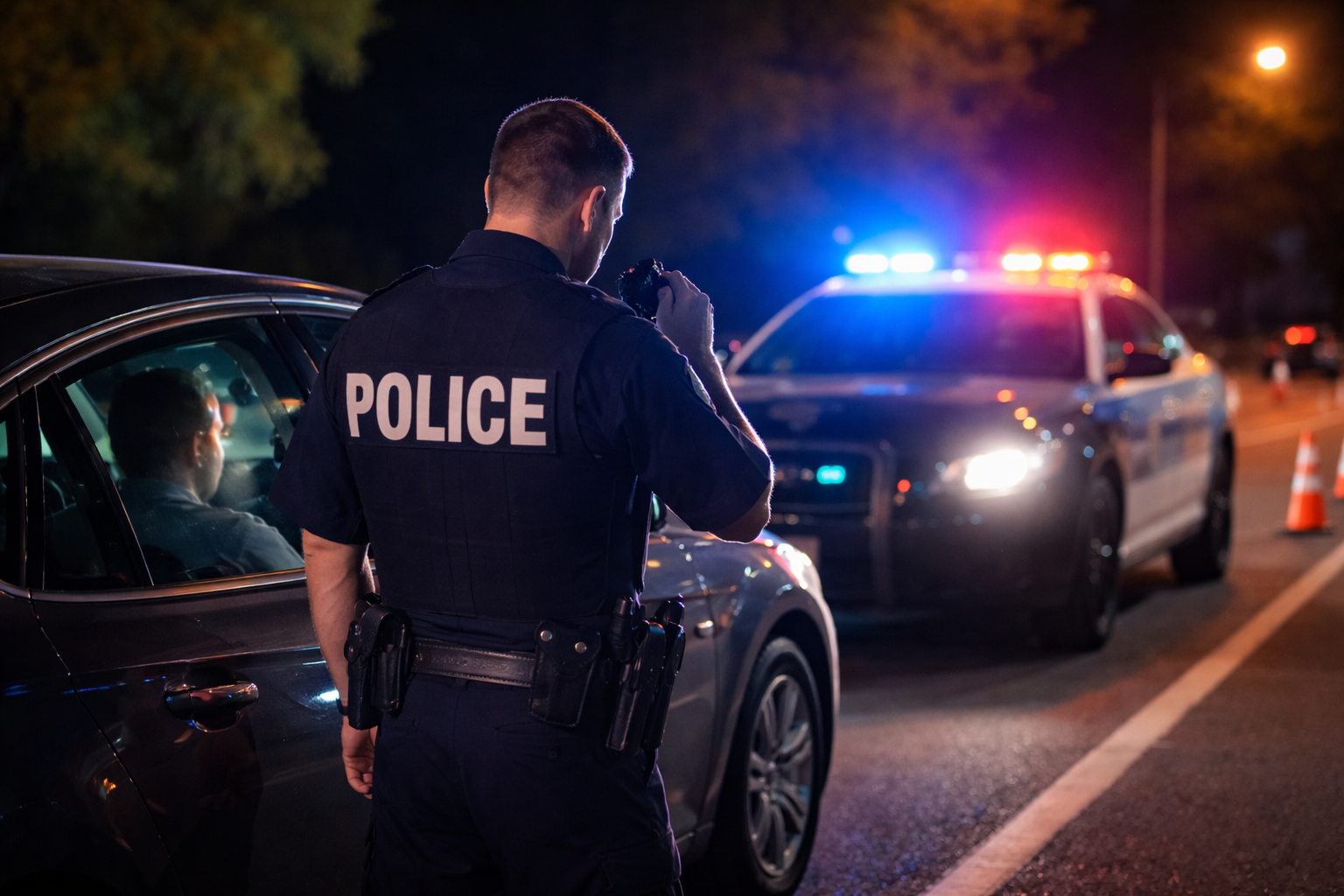
Before an officer even asks for your license and registration, they are watching your driving behavior. The law enforcement officer may initiate a DUI stop based on specific driving patterns that indicate impairment. These patterns include:
  • Swerving: A driver who weaves in and out of lanes without signaling or appears to be losing control may be suspected of driving under the influence. Swerving is often one of the first indicators that law enforcement looks for when deciding to initiate a traffic stop.
  • Speeding or Driving Below the Speed Limit: Driving at an unusually slow speed, especially during off-peak hours, may draw attention. On the flip side, speeding and excessive acceleration can signal that the driver is not fully focused.
  • Failing to Yield or Stop Properly: If a driver fails to signal their turns or runs a stop sign, it’s not just an infraction—it can raise suspicion that the driver is impaired and unable to properly follow traffic laws.
  • Erratic Braking: Sudden or harsh braking without cause can be a red flag. If a driver is having difficulty gauging distance or processing road conditions, it’s another indicator that they might be under the influence.

In South Carolina, police are particularly focused on identifying the signs of impaired driving to ensure public safety. When officers see these behaviors, they often consider them as valid grounds for initiating a DUI stop.

Physical Signs of Impairment Police Look For

Once an officer has stopped a driver, they’ll begin by observing the individual’s physical condition. There are several visible signs that may prompt an officer to suspect a driver is under the influence of alcohol or drugs. These signs are indicators that law enforcement uses to determine whether additional tests are necessary.
  • Bloodshot or Watery Eyes: Alcohol and many drugs cause blood vessels in the eyes to dilate, making them appear red or watery. Officers are trained to look for this as a potential sign of impairment.
  • Slurred Speech: A common sign of intoxication, slurred speech is a key indicator that officers pay close attention to. If you have difficulty speaking clearly or if your words are slurred, it will likely raise suspicion.
  • Strong Odor of Alcohol: One of the first things an officer will notice is the smell of alcohol on your breath. The odor is often a clear sign of intoxication, and in many cases, it can serve as a basis for further investigation.
  • Unsteady Walk or Stumbling: When asked to step out of the vehicle, if you appear unsteady on your feet or stumble, officers may reasonably suspect that you are impaired. Balance issues can be a key sign of intoxication.

These signs alone often lead to the next phase of the DUI investigation, which includes field sobriety tests. Officers rely on their training and experience to determine whether these physical signs are consistent with impairment, but they also look for additional clues during their interaction.

During this most difficult period of time in my life, Margaret Evans and the staff assisted me during my divorce. I needed legal counsel which was provided professionally and efficiently. Thank you for your prompt and courtesy service to me.

- Mark Hafenbreidel

Made the home closing process quick and easy! We appreciated their quick and clear communications, especially since our closing was over the holidays.

- Alyssa Burke

Client Reviews

See what our clients have to say about our law firm and the people who are a part of it.

Read more reviews

Field Sobriety Tests: What to Expect

If an officer suspects that you are under the influence, they may ask you to perform one or more field sobriety tests (FSTs). These tests are designed to assess your coordination, balance, and ability to perform simple tasks. While these tests are voluntary in South Carolina, refusing them can have consequences, such as an automatic license suspension. It’s essential to understand what each test entails.
  • Horizontal Gaze Nystagmus Test (HGN): This test measures your ability to follow a moving object with your eyes. If your eyes jerk while following the object, it may indicate impairment. This test is used to assess intoxication levels and is a reliable indicator in many DUI cases.
  • Walk-and-Turn Test: The officer will ask you to take several steps in a straight line, then turn and return in the same manner. If you struggle to balance or have difficulty following instructions, this is a sign that you might be under the influence.
  • One-Leg Stand Test: In this test, you’re asked to stand on one leg for a specified period while keeping your balance. Difficulty performing this task can indicate that you are not in full control of your motor functions.
These tests are designed to assess a person’s coordination, and while they are often used in DUI investigations, they are not always foolproof. Factors such as age, physical condition, and environmental factors can impact the results, which is why experienced DUI attorneys often challenge these tests in court.

Breathalyzer and Chemical Tests: The Final Step

If you fail one or more field sobriety tests, officers will likely ask you to take a breathalyzer test. This device measures your blood alcohol content (BAC) by testing your breath. In South Carolina, the legal limit for BAC is 0.08% for drivers over the age of 21. If your BAC is above the legal limit, you will likely be arrested for DUI. In addition to breathalyzer tests, officers may also request a blood test if they suspect impairment due to drugs or if you have been involved in a serious accident. Refusing a breathalyzer or blood test can result in severe penalties, including the automatic suspension of your driver’s license.

What Happens After a DUI Arrest?

After a DUI arrest in South Carolina, you will likely be taken to a nearby police station for booking. There, your BAC will be measured again, and you will be asked to provide additional information. Depending on the circumstances, you may be able to post bail or be required to remain in custody until your court appearance. If you are charged with DUI, you have the right to a trial, and it’s crucial to consult with a knowledgeable DUI defense attorney to understand your legal options. A skilled lawyer can help you challenge the evidence presented by the prosecution, negotiate with prosecutors for a plea deal, or represent you in court.

The Importance of Legal Representation

DUI charges in South Carolina carry serious consequences, including hefty fines, mandatory alcohol education programs, and potential jail time. If you are facing a DUI charge, having a qualified attorney from McCutchen Vaught Geddie & Hucks, P.A. by your side can make all the difference. Our team of legal professionals is committed to providing you with the guidance and representation you need to fight your DUI charge and protect your rights. We understand how stressful and overwhelming a DUI case can be, and we are here to offer support every step of the way. If you or a loved one has been arrested for DUI in South Carolina, contact McCutchen Vaught Geddie & Hucks, P.A. for a consultation to discuss your options.

To learn more about this subject click here: The Consequences of a DUI in South Carolina and How to Fight the Charges