South Carolina is known for its mild winters, and for many motorcycle enthusiasts, this means the chance to ride year-round. The idea that winter conditions make roads safer for riding is common, but this belief overlooks several key factors that make winter rides just as dangerous, if not more so. Winter riding in South Carolina presents unique challenges that riders often fail to anticipate. This piece explores the risks and provides tips to stay safe when riding during the winter months in the Palmetto State.
The Illusion of Safety in South Carolina Winter Rides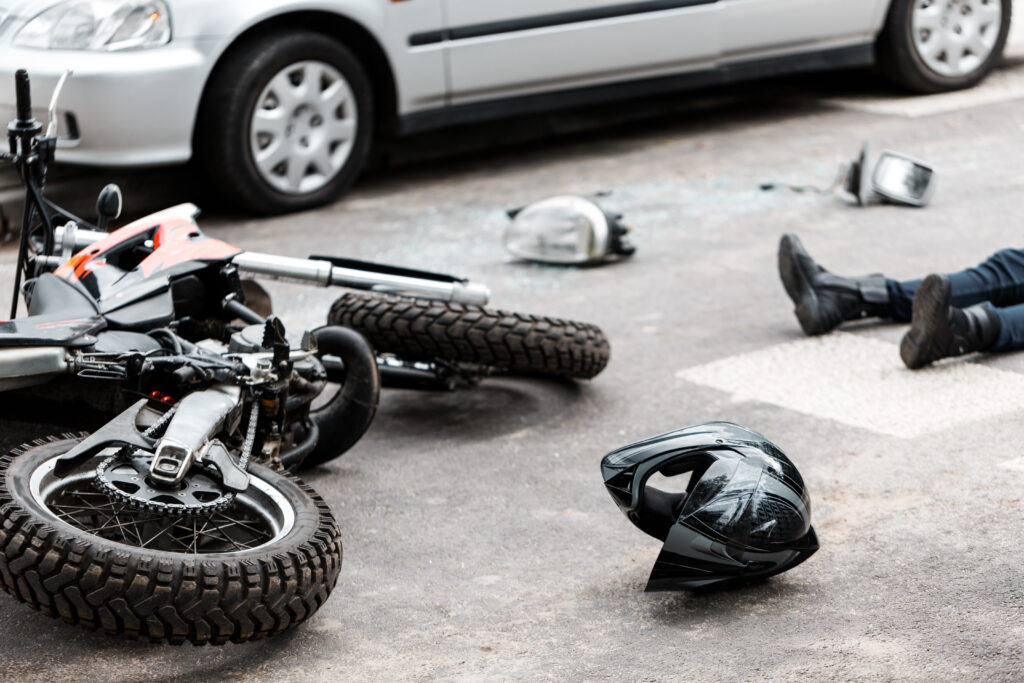
While the typical South Carolina winter is far milder than other parts of the country, it’s important to remember that the risks of riding remain, especially when temperatures dip below normal and conditions change unexpectedly. As the days grow shorter, the danger of riding also increases, and here are the reasons why:
- Shorter Daylight Hours and Limited Visibility
One of the most obvious but often overlooked dangers of riding in the winter months is the reduced visibility caused by shorter daylight hours. During late fall and winter, the sun sets earlier, meaning more riders are out in the late afternoon and evening hours. Poor lighting conditions make it harder for other drivers to spot motorcyclists, increasing the likelihood of accidents. Even during daylight hours, riders are often dealing with overcast skies that further reduce visibility on the road. - Frost and Black Ice: Silent Killers
Though snow is rare in South Carolina, winter brings another hidden danger: black ice. This thin layer of ice, often invisible to the naked eye, can form overnight or in the early morning when the temperature drops. These icy patches are especially dangerous for motorcyclists, whose vehicles have less surface area to maintain grip compared to larger vehicles like cars or trucks. While black ice is most common on bridges and overpasses, it can appear on any surface in the early morning or after a light rain when temperatures are low. - Cold-Weather Impact on Rider Control
Cold temperatures can affect both the motorcycle and the rider’s physical condition. When temperatures fall below 50 degrees, riders often experience numbness in their hands and feet, which can severely impair their ability to control the bike. Freezing temperatures also affect tire traction. Cold rubber does not grip the road as effectively as tires warmed by the sun, increasing the chance of slipping or losing control. In extreme cold, even the bike’s mechanical parts can suffer, with oil thickening and less responsive brakes. - Road Hazards and Debris
Another often-forgotten aspect of winter riding is the accumulation of road debris, which can pose serious risks. During the colder months, leaves, gravel, and even patches of sand are more likely to accumulate on the road, creating hazards for motorcyclists. While car tires can more easily handle these obstacles, motorcycles are highly susceptible to instability when riding over debris. Riders must be especially cautious on curvy roads, where debris may not be visible until it’s too late.
Understanding How Winter Conditions Affect Motorcycle Accidents
Many riders feel that since South Carolina doesn’t face extreme winter weather like snowstorms, it’s safe to continue riding. However, the reality is that even mild winter conditions bring dangers that are easy to overlook. Here’s how those factors impact motorcycle safety:
- Lower Traction in Cold Weather
When temperatures drop, road surfaces become more slippery. Although South Carolina doesn’t experience the freezing temperatures seen in northern states, the slight chill of winter is still enough to reduce the friction between the tires and the pavement. Motorcycle tires, which are designed for flexibility and performance, have a harder time gripping the road when it’s cold. This lack of traction can cause sudden falls or slides, particularly when the rider is making sharp turns or sudden stops. - Effect on Reaction Times and Rider Focus
Winter also affects the rider’s cognitive abilities. Riding in cold weather can be physically draining, which impacts a rider’s focus. As the body works harder to maintain warmth, it can lead to slower reaction times and increased fatigue. The last thing you want when riding is a delayed response in an emergency situation. For this reason, it’s critical to take breaks and stay hydrated while riding in the winter.
Top Safety Tips for Riding a Motorcycle in South Carolina’s Winter Weather
While winter riding presents significant risks, there are precautions that riders can take to ensure their safety. By following these essential tips, motorcyclists can reduce their chances of an accident during the colder months.
- Dress for the Conditions
In winter, dressing appropriately is not just about comfort but also safety. Cold temperatures make it harder to concentrate, and numb hands or feet can prevent you from controlling the bike. Layering your clothing is key: wear thermal socks, gloves, and insulated jackets to retain warmth. A good pair of thermal gloves and boots will keep your extremities functioning properly, ensuring better control over your bike. Make sure your gear includes reflective elements to improve visibility, especially during the darker months. - Check Your Bike’s Condition Regularly
Ensuring that your motorcycle is in top condition is crucial for safe winter riding. Pay special attention to tire pressure, as cold temperatures can lower it. Tires with low pressure have reduced grip and can make handling more difficult. Keep an eye on the brake pads and the oil level, as cold weather can cause oil to thicken, reducing its efficiency. Regular maintenance is essential to avoid breakdowns that could lead to accidents. - Take It Slow and Be Extra Cautious
Slow down when riding in winter. Reduced traction and lower visibility demand extra caution. Always assume that the roads could be icy, especially in shaded areas or on bridges. When riding over gravel or leaves, reduce speed even further to maintain control. Avoid sharp turns and be cautious when stopping—give yourself extra space between you and other vehicles. - Watch for Hidden Dangers
Even if the sun is shining, remember that winter roads can still be hazardous. Look out for areas that are more likely to be slippery, such as bridges, overpasses, and shaded parts of the road. Check the forecast before your ride to ensure that weather conditions are safe, and always keep an eye on the road for obstacles.
What to Do If You’re Involved in a Motorcycle Accident in South Carolina
No one expects to be in an accident, but it’s important to be prepared in case it happens. If you’re involved in a motorcycle accident, follow these steps:
- Seek Medical Attention
Even if you don’t feel injured, get checked by a doctor. Motorcycle accidents can cause internal injuries that might not be immediately apparent. - Contact an Experienced Lawyer
Motorcycle accidents can lead to complicated legal issues, especially if you’re dealing with insurance companies. Contact McCutchen Vaught Geddie & Hucks, P.A. for legal guidance. We specialize in handling motorcycle accident cases in South Carolina and can help ensure that your rights are protected. - Document the Scene
If possible, take photos of the scene and get the contact information of any witnesses. These can be crucial in building your case.
Why You Need Legal Representation After a Motorcycle Accident
Motorcycle accidents often result in serious injuries. In some cases, victims are left with long-term disabilities or costly medical bills. Having a knowledgeable attorney on your side can help you navigate the legal process and secure compensation for your injuries. At McCutchen Vaught Geddie & Hucks, P.A., we have a deep understanding of motorcycle accident law and can guide you through each step, from filing insurance claims to pursuing a lawsuit.
To learn more about this subject click here: What to Do Immediately After a Motorcycle Accident in South Carolina