




Winter Weather Conditions in South Carolina: How They Impact Driving 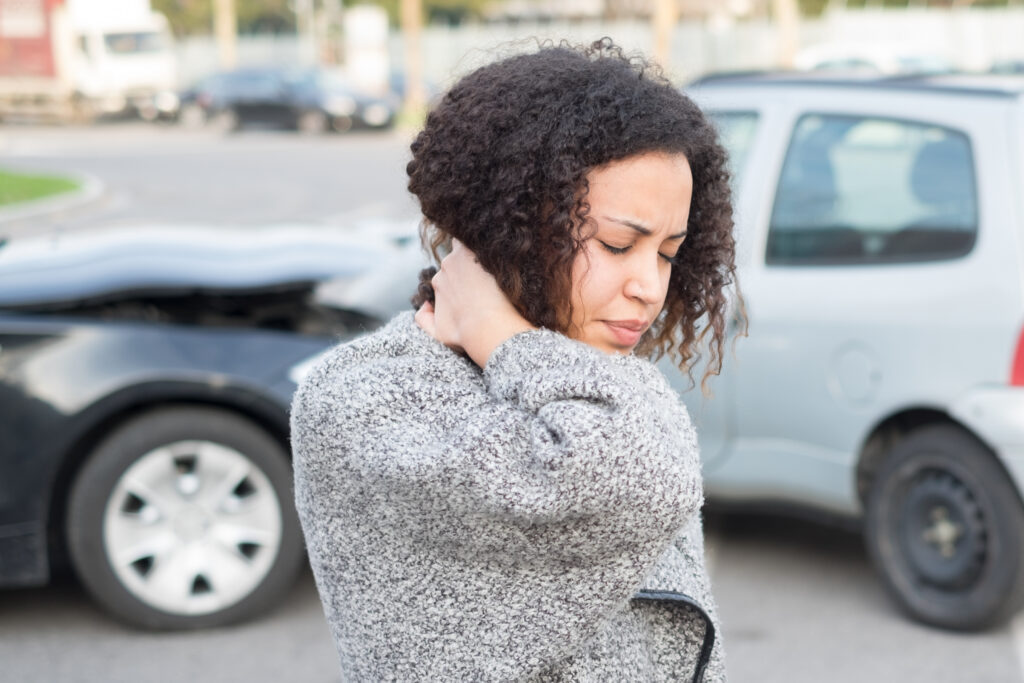
Unlike northern states, South Carolina does not regularly experience harsh winter weather, which can cause drivers to be less cautious and unprepared when snow or ice hits. However, even the slightest amount of snow can lead to dangerous driving conditions in areas not equipped to deal with it. Roads are not frequently salted or treated to manage icy patches, making it all the more challenging for drivers.
When snow or ice is on the ground, visibility is often reduced, and the road can become slippery. As a result, cars can slide out of control, creating chain reactions of collisions. In multi-vehicle accidents, where one car crashes and causes others to follow suit, the aftermath can be difficult to navigate for both the involved parties and legal teams. The circumstances around these accidents require careful examination of how the weather directly impacted the vehicles’ ability to stop or maneuver.
Challenges of Determining Fault in Multi-Vehicle Accidents
In any accident, establishing who is at fault can be challenging. When multiple vehicles are involved, the situation becomes even more complex. Winter weather further complicates this because it introduces additional factors, such as the condition of the roads, the drivers’ actions, and the level of preparation they had for hazardous conditions. Here are some of the primary reasons fault determination becomes more difficult:- Unpredictable Road Conditions: When the roads are icy, it is difficult to determine exactly how much responsibility each driver bears. Was the road untreated? Was it a sudden patch of black ice that no one could have anticipated? These are questions that will need to be answered during an investigation.
- Driving Speed and Recklessness: Drivers involved in a multi-vehicle pileup in the winter may have been driving too fast for conditions, or they may have failed to adjust their driving in response to reduced traction. In some cases, one driver’s failure to slow down or maintain a safe following distance can set off a chain reaction.
- Visibility Issues: Winter storms often cause reduced visibility. If snow is falling heavily or the roads are foggy, drivers may not see each other in time to avoid a collision. It can be challenging to determine whether someone’s actions were negligent if they were unable to see the road or other vehicles clearly.
- Chain of Events in Multi-Vehicle Pileups: In some accidents, determining which driver started the chain reaction is key. It is essential to understand whether one vehicle was forced into another or if someone was the first to lose control.




The Role of Winter Weather in Comparative Fault
South Carolina follows a comparative fault system when determining fault in accidents. This means that even if a party is partially at fault for the accident, they may still be able to recover damages, but only to the extent that they are not responsible for the majority of the incident. For example, if one driver was speeding but another was tailgating, both may share fault in causing the multi-vehicle pileup. However, if the first driver was found to be 30% at fault, and the second driver was found to be 70% at fault, the first driver would only recover 30% of the damages. In winter weather accidents, these percentages can be influenced by factors such as:- Road Conditions: If the road was not adequately treated and caused the vehicles to lose control, a government entity responsible for road maintenance could share in the fault.
- Drivers’ Response to Weather Conditions: If the involved drivers failed to adjust their driving behavior to match the weather, their actions could be considered negligent. For example, drivers who fail to slow down when a winter storm begins may be more likely to cause accidents.
- Weather-Related Defenses: Some drivers may attempt to use weather as a defense, arguing that the conditions were so poor that no one could have avoided the crash. While this is sometimes a valid argument, it is difficult to prove unless there is significant evidence showing how weather conditions directly impacted the crash.

During this most difficult period of time in my life, Margaret Evans and the staff assisted me during my divorce. I needed legal counsel which was provided professionally and efficiently. Thank you for your prompt and courtesy service to me.
- Mark Hafenbreidel
Made the home closing process quick and easy! We appreciated their quick and clear communications, especially since our closing was over the holidays.
- Alyssa Burke
Client Reviews
See what our clients have to say about our law firm and the people who are a part of it.
How McCutchen Vaught Geddie & Hucks, P.A. Can Help
If you’ve been involved in a multi-vehicle accident caused by winter weather, the complexities of determining fault can be overwhelming. At McCutchen Vaught Geddie & Hucks, P.A., we have extensive experience handling these cases, from gathering evidence to negotiating with insurance companies. Here’s how we approach such accidents:- Investigation of Road Conditions: We will investigate the condition of the roads and determine if they were properly maintained or if there was negligence on the part of local authorities.
- Expert Testimony: We may bring in accident reconstruction experts who can examine the chain of events in the accident, taking into account the weather and road conditions.
- Weather Data Analysis: Our team will work with meteorologists to gather relevant weather data at the time of the accident, which can help establish how the weather influenced the accident.
- Negotiation with Insurance Companies: Insurance companies may try to minimize their payouts, but we have the experience to fight for a fair settlement that fully compensates you for your damages and injuries.
Steps to Take After a Multi-Vehicle Accident in Winter Weather
If you’ve been involved in a multi-vehicle accident during a winter storm, it’s crucial to take certain steps to protect your legal rights:- Seek Medical Attention: Even if you feel fine, it’s essential to get checked out by a doctor. Many injuries, like whiplash, may not show immediate symptoms.
- Document Everything: Take photos of the scene, including any visible damage, road conditions, and weather. Make sure to gather contact information from witnesses and other drivers involved.
- Contact Your Insurance Company: Report the accident as soon as possible. However, be cautious with your statements to avoid admitting fault.
- Consult with an Experienced Attorney: It’s crucial to consult with an attorney experienced in handling winter weather accidents. At McCutchen Vaught Geddie & Hucks, P.A., we can provide a free consultation to discuss your case and determine the best course of action.