




How South Carolina Police Build DUI Cases During Spring Break Season 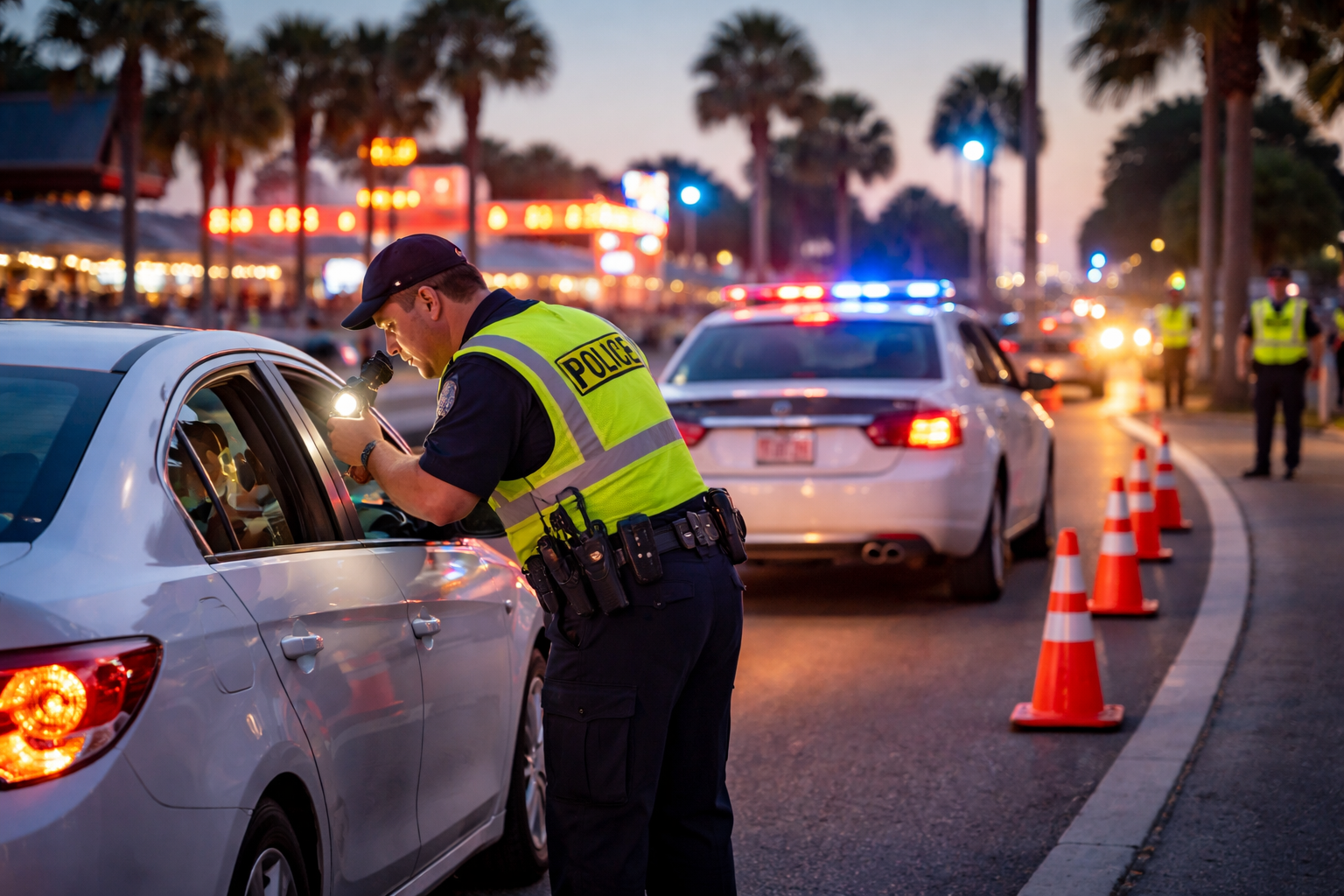
South Carolina is a popular Spring Break destination, attracting college students and tourists who flock to its coastal cities and beautiful beaches. During this time, law enforcement agencies step up their DUI enforcement efforts to prevent impaired driving accidents. McCutchen Vaught Geddie & Hucks, P.A. understands that individuals facing DUI charges need to know how these cases are built and the potential defenses available. This guide will walk you through the typical methods South Carolina police use to establish DUI charges and how they can impact your case.
Increased Patrols and DUI Checkpoints
One of the most common tactics employed by South Carolina police during Spring Break is the increase in patrols and the use of DUI checkpoints. These efforts are designed to proactively stop impaired drivers before they cause accidents. In areas like Myrtle Beach, Charleston, and Hilton Head, where there is a high volume of visitors during Spring Break, you will find officers patrolling key streets and neighborhoods known for nightlife and entertainment. DUI checkpoints are particularly common near bars, clubs, and the beach areas where tourists gather. Police officers set up these checkpoints to stop and check drivers for signs of intoxication. The stops can be random, but they are highly effective at catching impaired drivers. At a DUI checkpoint, an officer may pull over vehicles and ask drivers to participate in field sobriety tests (FSTs) if they notice signs of impairment. These signs might include the smell of alcohol, slurred speech, or erratic driving behavior.





Field Sobriety Tests: How Police Assess Impairment
If you are stopped at a DUI checkpoint and the officer suspects you may be impaired, they will likely ask you to perform a series of field sobriety tests (FSTs). These tests are used to assess a driver’s physical coordination and balance, which can be indicators of intoxication. The tests are not always foolproof, but they are one of the primary methods police officers use to build a DUI case. There are several types of FSTs commonly used by South Carolina police:- Horizontal Gaze Nystagmus (HGN) Test: This test involves following an object, such as a pen or flashlight, with your eyes. The officer is looking for involuntary jerking movements of the eye, which is a sign of impairment.
- Walk-and-Turn Test: You will be asked to take nine steps in a straight line, turn, and then return. This test checks for balance and coordination issues, which are commonly associated with intoxication.
- One-Leg Stand Test: In this test, the driver is asked to stand on one leg for a set amount of time. Failure to maintain balance or difficulty performing the task is often used as evidence that the driver is impaired.
Breathalyzer and Blood Tests: The Crucial Evidence
If you fail the FSTs or if the officer has a reasonable belief that you are under the influence, they will likely request a breathalyzer test to measure your blood alcohol concentration (BAC). In South Carolina, the legal limit for BAC is 0.08%. If your BAC is above this threshold, you will likely be arrested for DUI. However, it’s important to understand that refusing to take a breathalyzer test in South Carolina can have serious consequences. Under the state’s implied consent law, drivers are required to submit to chemical tests if requested by an officer. Refusing to take a breathalyzer test will result in an automatic six-month license suspension. In addition, refusal to submit to a breathalyzer can be used as evidence against you in court.
During this most difficult period of time in my life, Margaret Evans and the staff assisted me during my divorce. I needed legal counsel which was provided professionally and efficiently. Thank you for your prompt and courtesy service to me.
- Mark Hafenbreidel
Made the home closing process quick and easy! We appreciated their quick and clear communications, especially since our closing was over the holidays.
- Alyssa Burke
Client Reviews
See what our clients have to say about our law firm and the people who are a part of it.
The Role of Body Cameras and Dash Cameras in DUI Cases
In recent years, many South Carolina police departments have equipped officers with body cameras and dash cameras. These cameras record all interactions between officers and suspects, which can be crucial evidence in DUI cases. Body camera footage can show the behavior of the driver during the stop, providing a detailed record of any signs of impairment. Dash cameras, which are installed in police vehicles, are used to record the entire DUI stop, including the driver’s actions and the officer’s interactions with them. These cameras can capture whether or not you are driving erratically or if you appear intoxicated, as well as the officer’s demeanor and actions during the stop. If you are arrested for DUI, it’s important to know that video footage from these cameras can be used in your defense. The footage can show whether the police officer had probable cause to stop you and whether the field sobriety tests were administered correctly.Witness Statements and Accident Reports
Another important factor in building a DUI case is the collection of witness statements and accident reports. During Spring Break, with the increased number of drivers on the roads, there is a higher likelihood of accidents involving impaired drivers. If you are involved in a traffic accident, police will likely interview witnesses at the scene and collect statements from others who observed the incident. These witness statements can serve as crucial evidence if they confirm that you were driving erratically, swerving, or otherwise acting dangerously. In addition, accident reports, which include details about the crash, the damages, and any injuries, may also play a role in proving that the accident was caused by impaired driving.Defending Against DUI Charges: How to Protect Your Rights
If you find yourself facing DUI charges during Spring Break in South Carolina, it’s important to know that there are several potential defenses available. A skilled DUI attorney can help you navigate the legal process and fight for the best possible outcome in your case. Here are a few common defenses used in DUI cases:- Improper Stop: Police must have a valid reason for pulling you over. If the officer did not have probable cause or a reasonable suspicion to stop your vehicle, the evidence gathered during the stop may be inadmissible in court.
- Faulty Field Sobriety Tests: Field sobriety tests are subjective and can be influenced by several factors. If the officer did not follow proper procedures or if the tests were not conducted correctly, this can weaken the case against you.
- Breathalyzer Malfunctions: Breathalyzer tests are not always accurate. A malfunctioning or poorly calibrated breathalyzer can produce false results. Your attorney can challenge the accuracy of the breathalyzer test used in your case.
- Medical Conditions or Disabilities: If you have a medical condition that affects your ability to perform field sobriety tests or produce a reliable breathalyzer reading, this can be used as a defense in your case.