




The Role of Breathalyzers in South Carolina DUI Cases 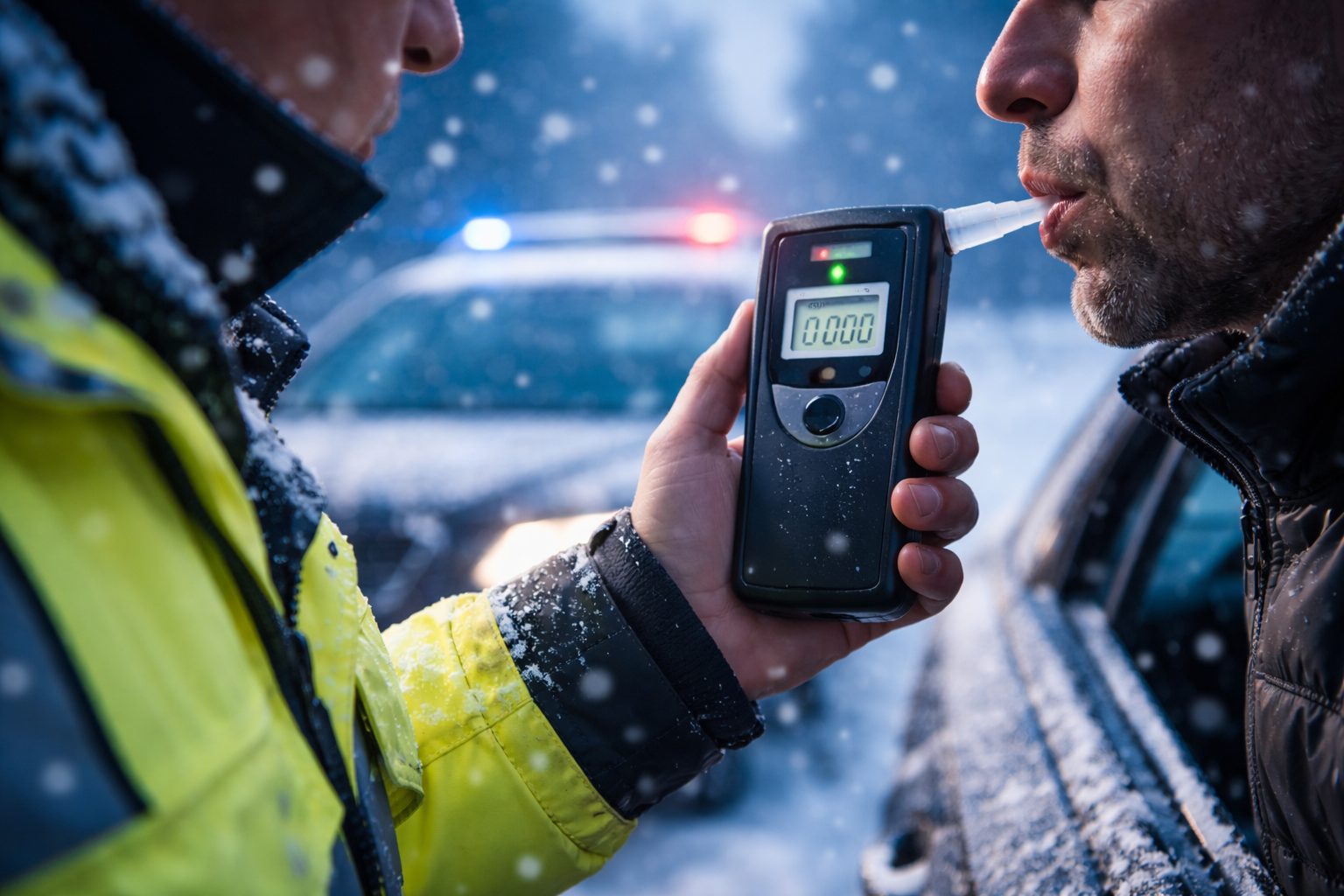
Breathalyzers are widely used by law enforcement officers in South Carolina to test drivers suspected of being under the influence of alcohol. The device estimates a person’s BAC by measuring the concentration of alcohol in their breath. The results from this test are typically used in DUI cases to determine whether the driver is over the legal limit, which in South Carolina is 0.08% BAC for most drivers.
A Breathalyzer works by analyzing the ethanol (alcohol) content in a person’s exhaled breath. Ethanol molecules in the air pass through a sensor within the device, which then calculates the BAC based on the level of alcohol detected. However, this process is highly sensitive, and various factors, including weather conditions, can influence the results. Cold weather is one such factor that may affect the accuracy of the readings, which could be a critical issue for individuals facing DUI charges in South Carolina.
How Cold Weather Affects Breathalyzer Accuracy
One of the primary ways cold weather can affect Breathalyzer results is through the physical process of ethanol vaporization. In order for the Breathalyzer to give an accurate reading, the ethanol in the breath needs to be fully vaporized. This is a key process in determining the correct concentration of alcohol.





- Slower Ethanol Vaporization in Cold Weather: When temperatures drop, the ethanol in a person’s breath does not evaporate as efficiently. The lower the temperature, the slower the vaporization of alcohol. As a result, the alcohol that is present in a person’s breath might not be detected accurately. In colder conditions, the ethanol in the breath can condense rather than vaporize fully, which leads to lower alcohol readings.
- Lower BAC Readings: This slower evaporation can result in a Breathalyzer device detecting a lower concentration of alcohol, even though the driver’s actual BAC may be higher. This might make it seem as if the person is below the legal limit, which could unfairly benefit them. However, in some cases, the opposite effect can also occur, leading to higher BAC readings than what might be accurate in warmer weather.
Breathalyzer Calibration and Winter Weather
Another important factor that can affect Breathalyzer readings is the device’s calibration. Breathalyzers need to be calibrated regularly to ensure they are functioning correctly. Calibration involves adjusting the device’s sensors to match the standards for accurate BAC measurement. In South Carolina, law enforcement officers are required to regularly calibrate their Breathalyzers to ensure their accuracy. However, the cold temperatures during winter can make this process more challenging.- Temperature Sensitivity: Many Breathalyzers are sensitive to temperature fluctuations. If a device has not been properly calibrated for cold weather, it may give inaccurate readings. For example, a Breathalyzer that hasn’t been recalibrated to accommodate winter conditions may produce a reading that is either too high or too low, depending on the temperature.
- Inconsistent Performance: The physical components of a Breathalyzer, including the sensors and electronic systems, can also be affected by extreme cold. Low temperatures can cause these components to malfunction or perform poorly, leading to inaccurate BAC readings. This could have significant consequences for anyone accused of DUI during the colder months.

During this most difficult period of time in my life, Margaret Evans and the staff assisted me during my divorce. I needed legal counsel which was provided professionally and efficiently. Thank you for your prompt and courtesy service to me.
- Mark Hafenbreidel
Made the home closing process quick and easy! We appreciated their quick and clear communications, especially since our closing was over the holidays.
- Alyssa Burke
Client Reviews
See what our clients have to say about our law firm and the people who are a part of it.
The Impact of Cold Weather on Alcohol Absorption
In addition to the potential issues with Breathalyzer accuracy, cold weather can also influence how alcohol is absorbed into the body, which in turn can affect the results of the Breathalyzer test.- Slower Absorption in Cold Weather: During colder months, the body’s metabolic processes, including the absorption of alcohol, tend to slow down. This means that alcohol may take longer to enter the bloodstream. For individuals drinking in colder weather, their BAC might not be as high at the time of their first Breathalyzer test, but it could rise afterward.
- Shivering and Alcohol Distribution: The body’s response to cold weather—such as shivering—can also affect how alcohol is distributed throughout the body. The more the body shakes in cold weather, the more quickly alcohol could be absorbed. This could result in fluctuations in BAC readings, especially if a test is taken at different times during the process of alcohol absorption.
- Impact on BAC Readings: These variations can lead to an inaccurate reading on the Breathalyzer, especially if the test is administered shortly after drinking. It may show a BAC that is either lower or higher than the individual’s true BAC at the time of driving.
Defending Against Breathalyzer Test Results in Winter DUI Cases
In DUI cases in South Carolina, the reliability of the Breathalyzer test is often one of the most heavily scrutinized pieces of evidence. During winter months, when cold weather may have interfered with the accuracy of the device, it’s crucial to have a defense strategy in place.- Expert Testimony: An experienced DUI attorney can challenge the results of a Breathalyzer test by bringing in expert testimony about how cold weather can impact the reliability of the readings. Expert witnesses, such as toxicologists or engineers familiar with Breathalyzer technology, can testify about the potential for inaccuracies in winter conditions.
- Challenging Calibration Records: One common defense tactic is to request the calibration records of the Breathalyzer device. If it is found that the device was not properly calibrated for cold weather or that it had not been calibrated in a timely manner, it could undermine the prosecution’s case.
- Field Sobriety Tests: In many DUI cases, field sobriety tests are also used in addition to Breathalyzer tests. If a driver performs well on field sobriety tests, it may cast doubt on the accuracy of the Breathalyzer reading, especially if the weather conditions were unfavorable for accurate readings.
What Drivers Should Know About DUI Charges in Cold Weather
Drivers in South Carolina who are arrested for DUI during the winter months should be aware of the potential for unreliable Breathalyzer readings due to cold weather. If you are facing DUI charges, it’s important to consult with an experienced attorney who can assess the circumstances surrounding your arrest, including the weather conditions at the time of the Breathalyzer test.- Preserving Your Rights: Understanding your rights and the factors that could impact the reliability of the evidence against you is crucial. An experienced attorney will know how to investigate the conditions surrounding your arrest and challenge the evidence where necessary.
- Potential for Case Dismissals: In some cases, a judge may dismiss DUI charges if it is determined that cold weather played a significant role in rendering the Breathalyzer test unreliable. Even if the charges are not dismissed outright, the results of the Breathalyzer test could be minimized or excluded as evidence.