Horry County Bond Court Before Holiday Weekends — How Release, Conditions, and No-Contact Orders Work
In South Carolina, bond court serves as a critical stage in the criminal justice system. It’s where the fate of individuals arrested for crimes is decided — namely, whether they will be allowed to return to their community before their trial date. The process of determining bond can be even more crucial during holiday weekends, when arrests tend to rise, and courts may operate under unusual schedules. Understanding how bond court works in these circumstances, as well as the potential for release conditions and no-contact orders, can be incredibly valuable for those facing charges. This post explores how bond hearings are handled in Horry County during the lead-up to holidays, focusing on the various factors that influence decisions regarding release, as well as how conditions like no-contact orders are enforced.
What Happens at Bond Court in Horry County?
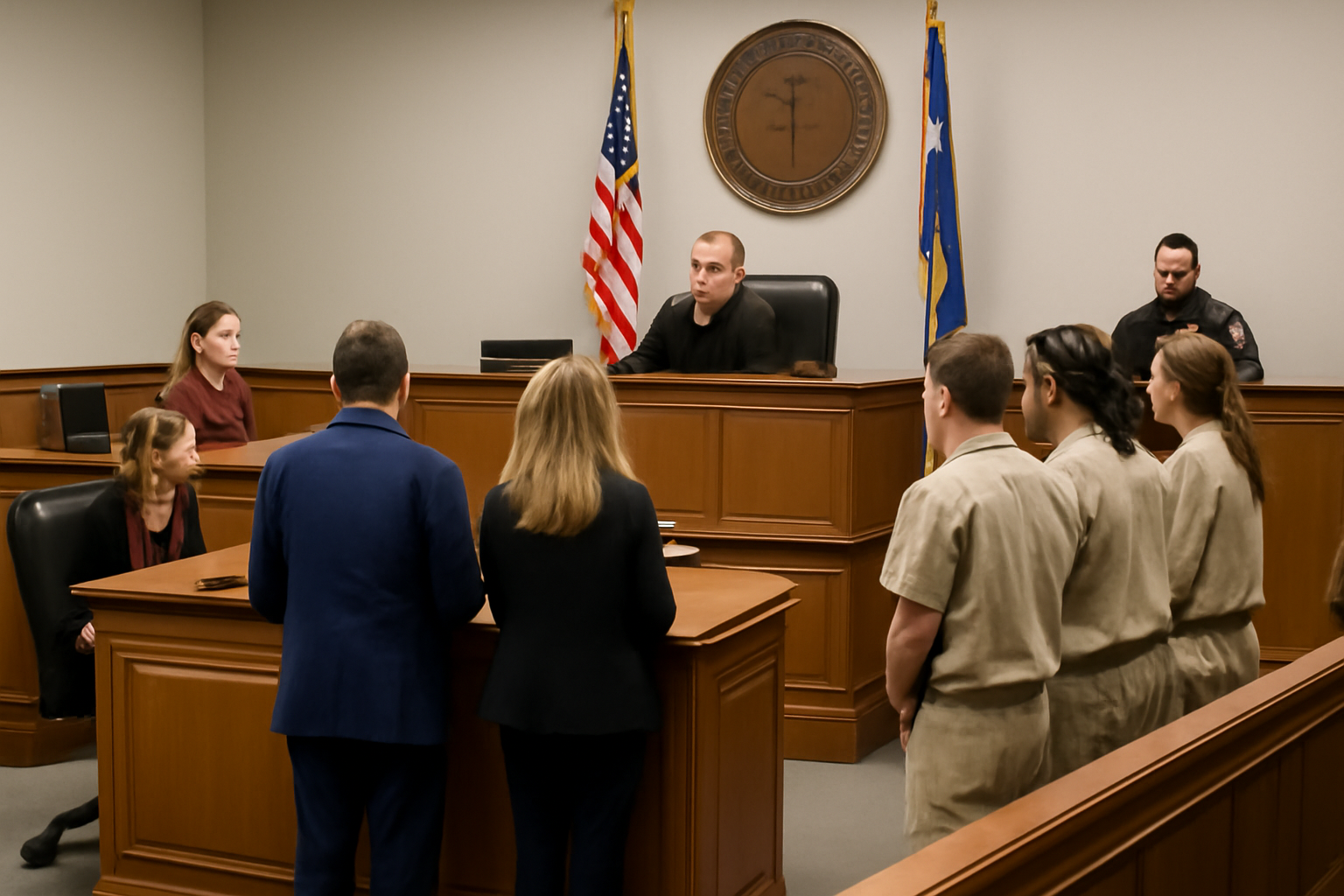
Bond court in Horry County typically occurs shortly after an individual’s arrest. This hearing is an opportunity for the judge to evaluate whether the accused should be released on bond before their trial begins or whether they pose a significant risk to the community. The judge will examine the nature of the alleged offense, the individual’s criminal history, ties to the community, and any potential danger posed to victims or the public.Before holidays, bond court operates with even more urgency. Due to an increase in arrests during times like long weekends or seasonal events, courts may make every effort to expedite bond hearings. This often leads to the hearings being scheduled outside of normal court hours or at unconventional times. The rush to handle an increased caseload means that bond hearings for those arrested may need to occur quickly to meet the needs of the system.
The Role of a Judge in Determining Bond and Release Conditions
The judge plays a pivotal role in determining bond and the conditions under which the defendant is released. In cases where the defendant is granted bond, the judge may set terms to ensure the accused remains in the community but still appears for their court dates. The judge will carefully consider several key factors, including the following:
The Severity of the Crime: If the defendant is accused of a violent crime or a serious offense, the judge may impose more stringent release conditions.
The Defendant’s Criminal History: A person with a history of violent crimes, repeated offenses, or failure to appear in court may face a higher bond amount or more restrictive conditions.
The Defendant’s Ties to the Community: Those with deep roots in the community, such as family, employment, or property ownership, may be viewed more favorably when it comes to granting bond.
Risk to Public Safety: If the judge believes the defendant poses a significant risk to the community or potential victims, bond may be denied, or the terms of release may be stricter.
Bond conditions can range from simple monetary amounts that the defendant must pay to more complex stipulations designed to limit their movements and interactions. These conditions help to ensure that the defendant remains in compliance with court rules while awaiting their trial.
How Bond Conditions Work in Horry County
Once a judge determines the defendant is eligible for bond, specific conditions may be imposed. These conditions are designed to protect both the community and the defendant’s constitutional right to be free before their trial. Common bond conditions in Horry County include:
Monetary Bond: The judge may set a bond amount that the accused must pay to be released. This amount is based on the severity of the crime and the defendant’s flight risk. If the defendant cannot afford the bond, they may choose to work with a bail bondsman who can post the bond on their behalf for a fee.
Electronic Monitoring: In more serious cases, the judge may order the accused to wear an electronic bracelet to monitor their movements. This is often used in cases involving violent crimes, repeat offenders, or individuals who pose a flight risk.
Travel Restrictions: For defendants under bond, the judge may impose travel restrictions, preventing them from leaving the state or even certain areas of South Carolina without prior approval.
Curfew: A curfew may be imposed, particularly in cases involving alcohol-related offenses, such as DUI arrests. Defendants may be required to remain at home during specified hours.
The conditions of bond are unique to each case and are often tailored to the perceived risk posed by the defendant. It is also important to note that these conditions may be modified or reviewed during subsequent hearings or based on the defendant’s behavior while on bond.
The Importance of No-Contact Orders in Horry County Bond Court
In cases where a defendant is accused of offenses like domestic violence, harassment, or stalking, bond court often includes the imposition of no-contact orders. These orders are court mandates that prohibit the accused from having any communication with the victim or other involved parties. No-contact orders can be a critical tool in protecting victims from further harm.During the lead-up to holiday weekends, no-contact orders are of particular concern. Holidays often involve increased social interaction, family gatherings, and travel, which can make it more difficult for the defendant to avoid contact with the victim. This is why judges are often stricter with no-contact orders before holiday weekends — to minimize the risk of violating these orders.Violating a no-contact order can result in severe penalties, including additional criminal charges. In some cases, the defendant may be arrested on the spot for breaching the terms of the order. These orders are enforced through regular monitoring and reporting, and violations are taken extremely seriously by the court.
How Holiday Weekends Impact Bond Court and No-Contact Orders
Holidays can make bond hearings and no-contact orders more complex due to increased arrest numbers and the demands on the court system. Over the course of long weekends, it is not uncommon for bond hearings to be pushed to earlier or later times, or for hearings to be expedited to address the backlogged cases. With this rush, there is often less time to carefully consider release conditions and the imposition of no-contact orders. As a result, the court may issue stricter terms of release to ensure public safety during a time when enforcement might be stretched thin.Judges are often more vigilant about no-contact orders during the holiday season because they understand that increased social interactions can lead to unintentional violations. This is particularly true for cases involving domestic violence or emotional abuse, where the defendant may be tempted to contact the victim due to holiday stress or emotions. Given the sensitivity of these matters, judges are especially cautious and may include additional provisions to ensure that victims are protected during this time.
What Defendants Need to Know About Bond Court Before Holiday Weekends
Expect Delays or Quick Hearings: Since bond court will often be held at odd times before a holiday weekend, defendants should be prepared for possible delays. Conversely, the rush of cases may also lead to quick hearings where defendants need to be ready to present their case or have legal representation on hand.
Legal Representation is Key: It is highly recommended that defendants have a lawyer present to advocate for their release or reduced bond. Legal representation is invaluable during bond hearings, especially when dealing with complex cases involving potential no-contact orders.
Be Aware of Conditions: Defendants should fully understand the conditions of their bond. Failing to adhere to these conditions, particularly no-contact orders, can lead to more serious charges and the revocation of their bond, leading to incarceration until trial.
Monitor the Terms of Release: In some cases, bond terms may change after the initial hearing, especially if new information arises. Defendants should stay informed about any modifications and ensure they are complying with any new orders issued by the court.
Bond hearings and no-contact orders in Horry County can be more complicated during the holiday season, but understanding the process and knowing what to expect can help defendants navigate the system more effectively. It is crucial to be well-prepared for bond court, especially when considering the strict nature of no-contact orders and other conditions that may be set during the holiday rush. Defendants should seek legal representation and stay vigilant in adhering to their bond conditions to avoid additional legal trouble.For those facing criminal charges or concerns about bond hearings and no-contact orders, McCutchen Vaught Geddie & Hucks, P.A. is here to help. Our experienced team of criminal defense attorneys understands the intricacies of bond court and is dedicated to fighting for the best possible outcome for our clients. Contact us today to schedule a consultation.