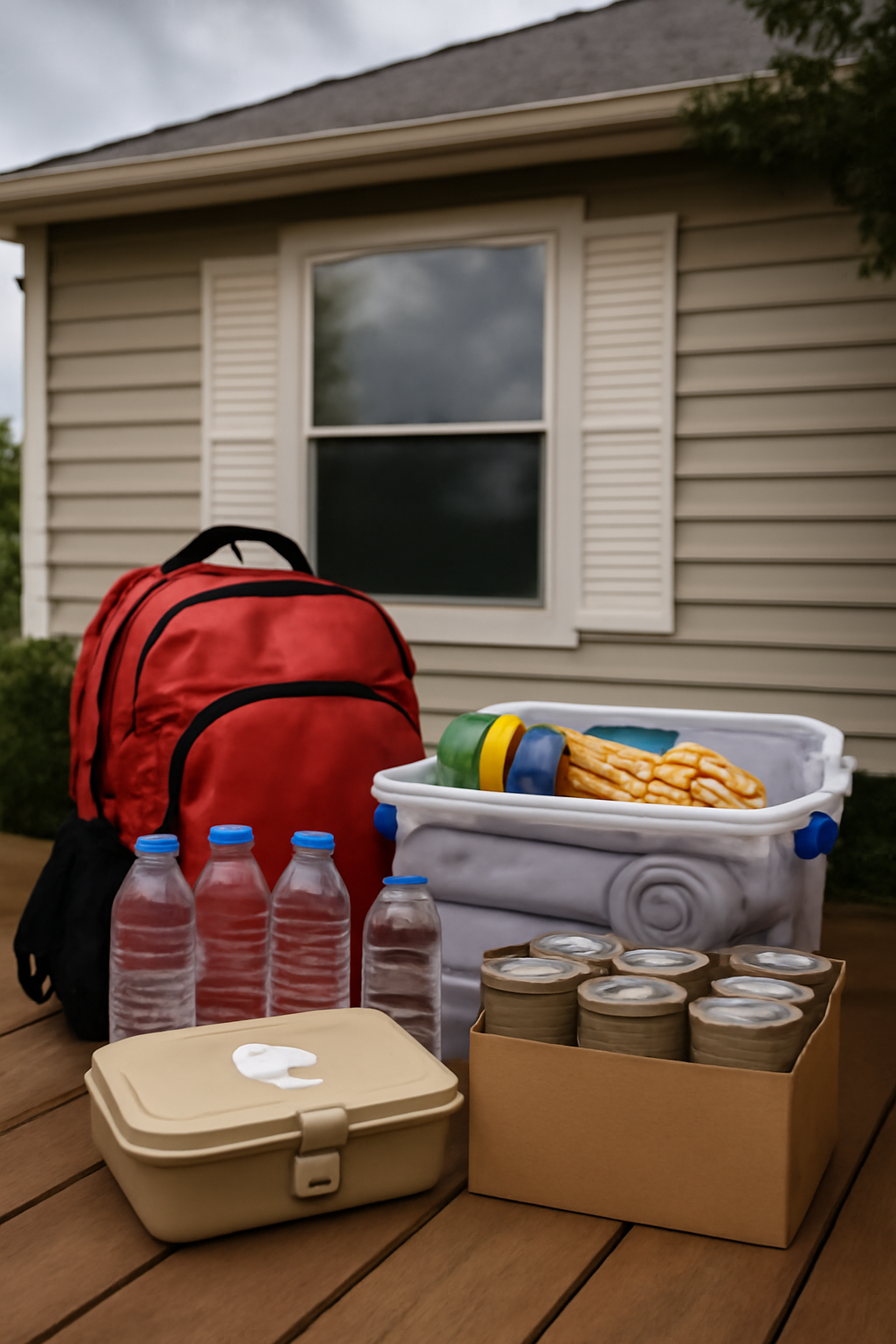
Estate Planning Before Hurricane Season Peaks in South Carolina
Hurricane season is always a concerning time for those living in South Carolina, particularly for residents of coastal areas. The unpredictability of these storms can cause significant damage and disruption, and it’s a reminder of how important it is to have all aspects of your life well-organized. One of the most crucial tasks that is often overlooked during hurricane season is estate planning. Estate planning is not only about drafting a will but ensuring that your affairs are handled, your assets protected, and your loved ones supported in case of an emergency or disaster. It’s essential to ensure that your estate plan is up to date and covers potential disaster scenarios.South Carolina residents, especially those near the coast, know the risks of hurricanes. While these storms are not guaranteed to cause harm each year, the chance of disaster means you should be prepared. Your estate plan should not only reflect your current situation but also anticipate the potential for emergencies. The last thing you want during a crisis is to have your loved ones trying to navigate legal complexities while you are dealing with a hurricane or its aftermath. In this blog, we’ll go over the essential steps you should take to make sure your estate plan is in place before hurricane season peaks.
Updating Your Will and Trusts
One of the first things you should do when preparing for hurricane season is review and update your will and any trusts you have in place. A will ensures that your wishes are followed after your death, detailing who will receive your property and assets. A trust is a legal tool that can help your estate avoid going through probate, which can be a long and costly process. If your will or trust is out of date, your wishes may not be carried out as you intended.Changes in your life, such as marriage, divorce, or the birth of a child, can affect how your assets are distributed. If you have recently moved to South Carolina or acquired new property, you will want to make sure that your will and any trusts reflect these changes. A good practice is to review these documents every few years, especially before hurricane season. Updating your will doesn’t just mean adding or removing beneficiaries but ensuring that it aligns with your current life circumstances and intentions.
Setting Powers of Attorney for Health Care and Finances
Natural disasters such as hurricanes can cause unexpected injuries or incapacitation, so it is vital to set up powers of attorney for both healthcare and finances. A power of attorney (POA) allows someone you trust to make decisions on your behalf if you are unable to do so yourself. There are two primary types of POA to consider: one for healthcare decisions and another for financial decisions.A healthcare POA grants someone the authority to make medical decisions on your behalf if you are incapacitated or unable to communicate your wishes. A financial POA allows a designated individual to manage your financial matters, including paying bills, managing investments, and making other important decisions. These documents are essential for ensuring that your health and financial needs are managed without delay during a time of crisis.If you haven’t already, consider discussing with a trusted friend or family member who would be the most appropriate person to act as your healthcare and financial agents in case of an emergency. It’s crucial that your chosen agents understand your wishes and are willing to take on this responsibility.
Designating Guardianship for Minor Children
If you have children under the age of 18, naming a guardian is an essential part of estate planning, especially in hurricane-prone areas. If something were to happen to you, it’s vital that someone you trust is able to care for your children and manage their needs. Without an official designation, the court will make the decision, and it may not align with your wishes.You may already have a person in mind for guardianship, but it’s important to update this designation periodically, particularly if your relationship with the person changes or if they are no longer able to fulfill the role. Discussing guardianship with the chosen individual is also crucial to ensure they are comfortable with the responsibility and understand your expectations.
Secure Your Documents and Estate Plan Details
The key to ensuring your estate plan is easily accessible in an emergency is to store your important documents securely. After preparing your will, trust, and powers of attorney, make sure these documents are stored in a safe, accessible place. Many people opt for a fireproof safe at home or a safe deposit box at a bank. However, you should also consider keeping copies of these documents with trusted family members or an attorney, especially if you are evacuating during hurricane season.In today’s digital age, online storage options such as secure cloud services are also available. Some people find it helpful to store scanned copies of their important estate planning documents in secure cloud-based storage systems, where they can be easily accessed when necessary. Just make sure these files are encrypted and that only trusted individuals know how to access them in the event of an emergency.
Reviewing Your Life Insurance Policy
Another key component of estate planning is life insurance. While life insurance can provide financial security for your loved ones in the event of your death, it’s essential to ensure that your policy is up-to-date. In hurricane-prone areas, having an adequate life insurance policy can help cover expenses related to funeral costs, lost income, and other financial burdens after a disaster.Review your life insurance policy to make sure it is still appropriate for your current needs. Consider whether your beneficiaries are up to date and if your coverage reflects your current financial situation. If you have recently acquired additional assets or taken on more financial responsibilities, you may want to increase your coverage. Also, check to make sure that your life insurance policy includes provisions that would cover any damages caused by a hurricane, particularly if you live in a flood zone.
Preparing for the Unexpected Impact on Property
In South Carolina, hurricanes can cause severe damage to homes and properties. As part of your estate plan, consider how your property and home will be handled in the event of significant storm damage. If you are displaced from your home due to hurricane damage, having a plan in place for the care and management of your property is critical.You may need to appoint a trusted person to act on your behalf to make emergency repairs, deal with insurance claims, or even sell the property if necessary. Make sure your estate plan includes clear instructions on how to handle these issues, particularly if you own property in multiple locations or have significant investments in real estate.Review your homeowners’ insurance policy to ensure that it provides adequate protection against hurricanes and flooding. If you live in a flood-prone area, consider additional flood insurance to protect your home and possessions.
Open Communication with Your Loved Ones
Estate planning can often be a sensitive subject, but open communication with your family members can help alleviate stress and confusion in an emergency. Let your loved ones know where your estate planning documents are located and explain the decisions you have made, especially when it comes to powers of attorney and guardianship.Having a conversation with your family will ensure that everyone understands your wishes and can act quickly if necessary. This can also prevent conflicts and confusion during an already stressful time. Discussing these matters ahead of time can also reduce the likelihood of disputes or disagreements over your estate plan, particularly when it comes to guardianship or asset distribution.Estate planning is a crucial part of ensuring that your wishes are carried out and your family is taken care of, particularly in the face of an unpredictable hurricane season. In South Carolina, where hurricanes are a real concern, it’s essential to take the time to update your estate plan and ensure all your affairs are in order. By reviewing your will, updating your life insurance, securing important documents, and discussing guardianship and powers of attorney, you can provide peace of mind for both yourself and your loved ones.At McCutchen Vaught Geddie & Hucks, P.A., we understand the complexities of estate planning and are here to assist you in making sure your plan reflects your current needs. Contact us today to schedule a consultation and ensure your estate plan is prepared for any unforeseen event, including hurricane season.